The headliners
The eight launches that matter most. Features, pricing, release dates, and what Google actually demoed.

Gemini Omni
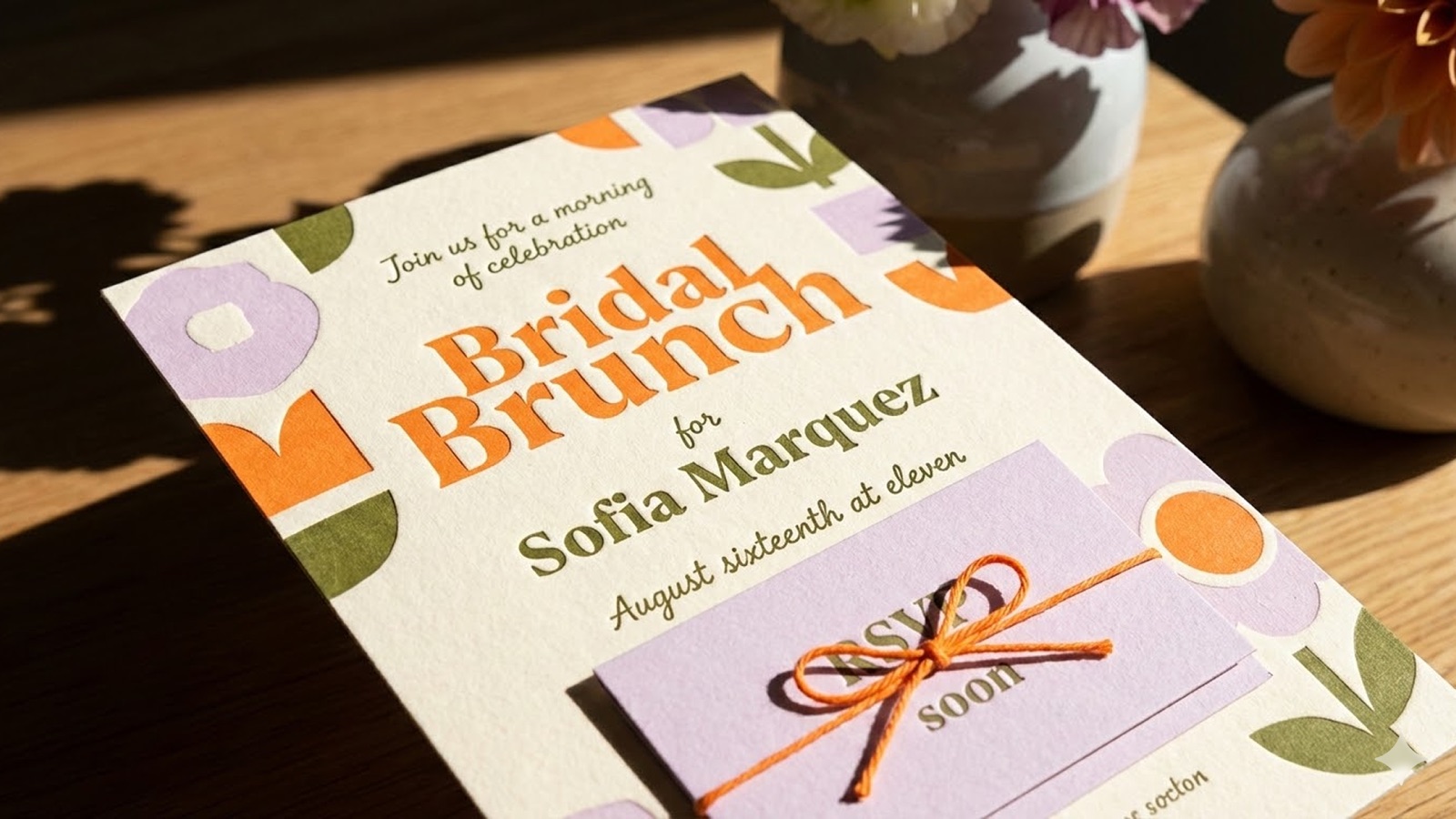
Google's "create anything from any input" model. Feed it text, images, audio, and video, and it builds one coherent video. Then you edit that video by chatting.
- Any-to-any input. Reference images, audio, video, and text in one prompt
- Conversational editing. Multi-turn edits that hold their continuity
- Digital avatars. Record yourself once, reuse your likeness
- Launch model is Omni Flash, capped at 10-second clips. Video output only for now
- Still held back... editing real people's speech in existing footage
Google's demo... a claymation protein-folding explainer built from one prompt. Early tests put it behind Seedance 2 on cinematic feel, ahead on prompt control.
Gemini 3.5 Flash
Google's newest model. Frontier-grade intelligence at Flash speed and Flash price, built to act, not just answer.
- Beats the prior flagship, 3.1 Pro, on nearly every benchmark
- 4× faster token output than other frontier models
- Runs autonomous multi-hour sessions, pausing for your input
- The new default model in the Gemini app and Search AI Mode, free
- Gemini 3.5 Pro, the "orchestrator" sibling, arrives June 2026
Already in use at Shopify, Macquarie Bank, Salesforce, Ramp, Xero, and Databricks.

Gemini Spark
A 24/7 cloud-based AI agent in the Gemini app. It does real work for you while your laptop is closed.
- Runs on dedicated cloud VMs, so it keeps working while you're away
- Built on Gemini 3.5 and the Antigravity agent harness
- Plugs into Gmail, Docs, Sheets, and Slides
- Recurring triggers, teachable skills, multi-step workflows
- Canva, OpenTable, and Instacart connections land this summer
Google's demo... planning a block party. An RSVP spreadsheet, a doc tracking who brings what, reminder emails sent on their own.

Stitch
Google Labs' AI design tool, now a real-time partner. Describe a UI by voice or text and watch it build live.
- Start from a prompt, your voice, or existing code and design files
- The Stitch Agent streams its work to the canvas in real time
- Steer and reflow layouts live, by talking to it
- Instant shareable links through Google AI Studio
- Export to Antigravity for backend logic, or publish through Netlify
Antigravity 2.0
A standalone, agent-first desktop app. A command center for running a whole team of AI agents on one project.
- Standalone app for Mac, Linux, and Windows, with no IDE required
- Dynamic subagents. The lead agent spins up focused helpers
- Scheduled tasks, async work, slash commands like /goal and /grill-me
- Ships with a CLI and an SDK to build and host your own agents
- Powers the new one-call Managed Agents API
For a limited time, AI Ultra subscribers get $100 in bonus Antigravity credits. Claim it in-app. The offer ends May 25, 2026.

Search enters the agentic era
The biggest Search-box redesign in 25 years, plus AI agents that watch the web for you around the clock.
- New intelligent box that expands as you type and reads your intent
- Gemini 3.5 Flash is the new default in AI Mode, global, today
- Information agents. Brief one once, it scans the web 24/7
- Agentic booking. Google can call local businesses for you
- Generative UI. Search builds interactive tools on the fly
Google's demo... finding a private karaoke room for six on a Friday that serves food late, with booking links pulled together for you.

Universal Cart
One intelligent shopping cart that follows you across Search, Gemini, YouTube, and Gmail, hunting deals in the background.
- Add products from Search, Gemini, YouTube, or Gmail into one cart
- Background deal-hunting, price history, back-in-stock alerts
- Built on Google Wallet, so it picks the best card for perks
- Reads your cart and flags products that won't work together
- Runs on open protocols, UCP and the Agent Payments Protocol
Launch merchants include Nike, Sephora, Target, Ulta, Walmart, Wayfair, and Shopify stores.

Android XR Smart Glasses
Google's intelligent eyewear. Gemini in your ear now, and in your lens later, built with Samsung, Qualcomm, Gentle Monster, and Warby Parker.
- Two types... Audio Glasses with no screen, and Display Glasses
- Ask about what you see, turn-by-turn navigation, hands-free calls
- Capture photos and video, then edit with one Nano Banana command
- Real-time speech and sign translation
- Pairs with both Android and iPhone
Designer frames from Gentle Monster and Warby Parker. Display glasses were shown, but given no firm date.